 Most popular
Java
Java, Indonesia
Baking spice and a light baker's chocolate finish. Smooth, with very low acidity.
Buy at Wellspring: Java (opens in a new tab)

850 Roasters Shipshewana, Indiana
Roasted in small batches by Norman Yoder and his family. Sold through Wellspring Components.
Norman Yoder had trouble with coffee for years. Most coffee is roasted for brightness, and brightness usually comes with acidity. He found that lower-acid coffee sat better with him, and he liked the milder taste.
He went looking for low-acid green beans, and at first a local roaster roasted them. When the Yoders started selling it, they set up the packaging as a work program for women receiving care at a mental health facility. Before long Norman wanted control over both the beans and the roast, so he started roasting it himself.
The name comes from the road. The business is on 850 West, and for more than ten years the family ran a community building there called the 850 Center.
Norman does the roasting. His wife and their grandchildren pack the bags and fill the K-Cups, and women from the facility still help when they can.
He has spent years developing barbecue sauces and seasonings, and coffee was a natural next step. Rather than build a big coffee company, he wanted 850 Roasters to be a mission for God's kingdom.
“A light went on when I drank some low-acid coffee and felt good.”
Every coffee is roasted here in Shipshewana, then destoned, bagged and dated.
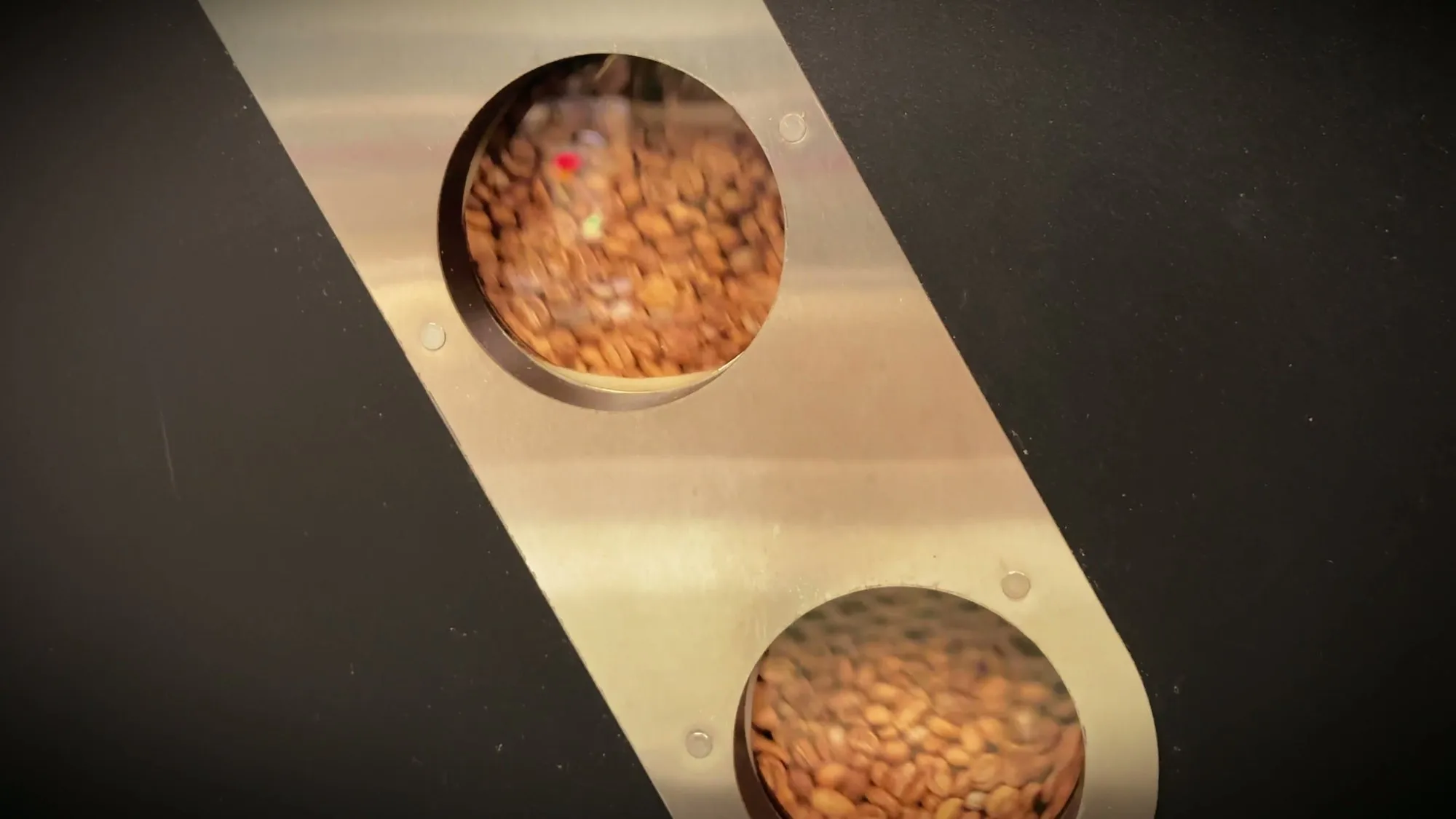
We roast on a Valenta-7 fluid bed roaster, which uses hot air instead of a heated drum. The air lifts and turns the beans as they roast and separates the chaff, which is carried out with the smoke through a filter. Most large roasters use drum roasters, where chaff can scorch in the drum and add a smoky, bitter taste.
The roaster holds the same roast profile whether the batch is large or small. We settle on the roast level for each coffee by roasting and tasting until we find what suits that bean.
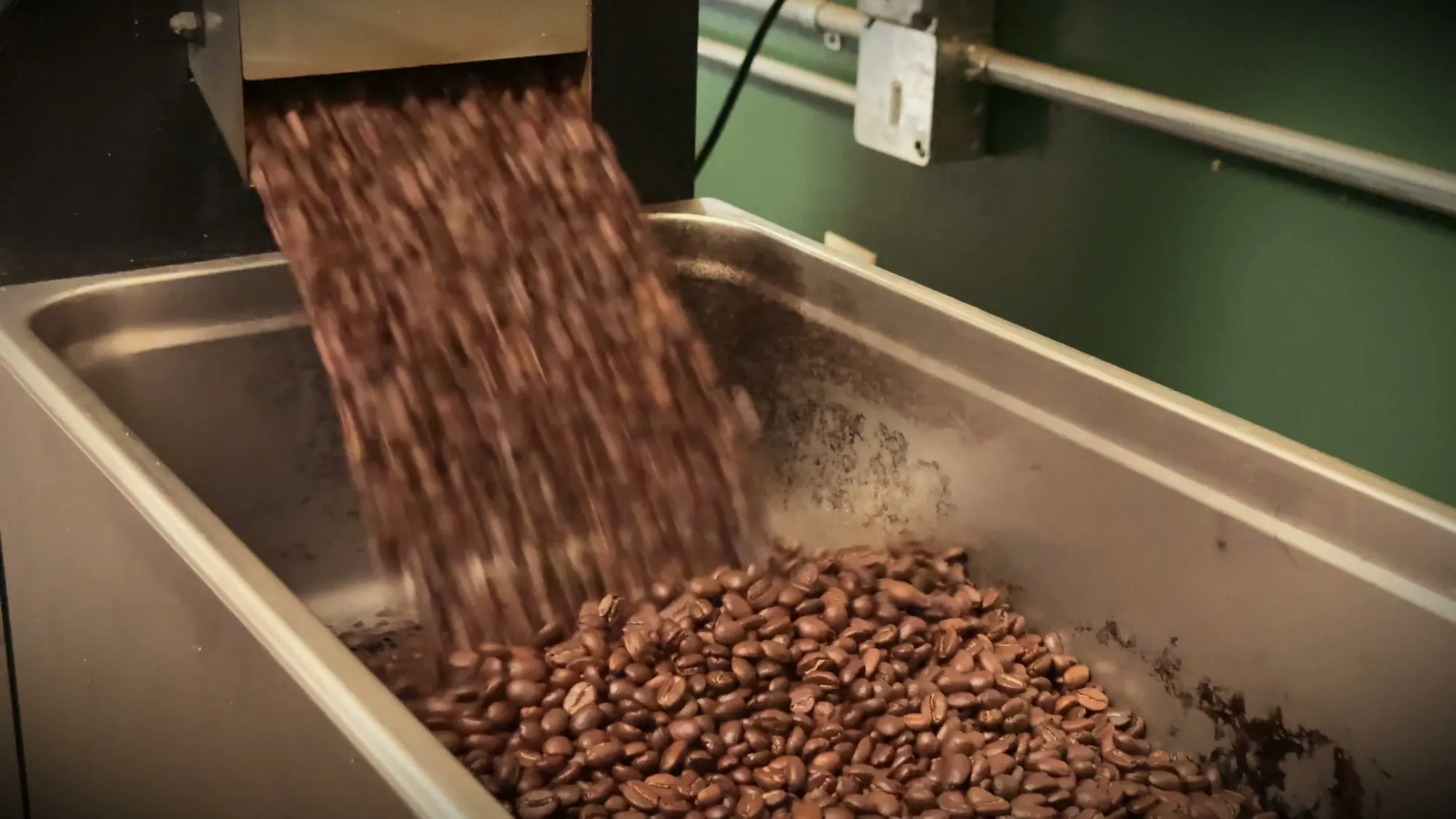
The roasted beans drop into a cooling tray. Once they cool, they go through a destoner, which pulls out any small stones that came in with the green coffee, so none reach your grinder.
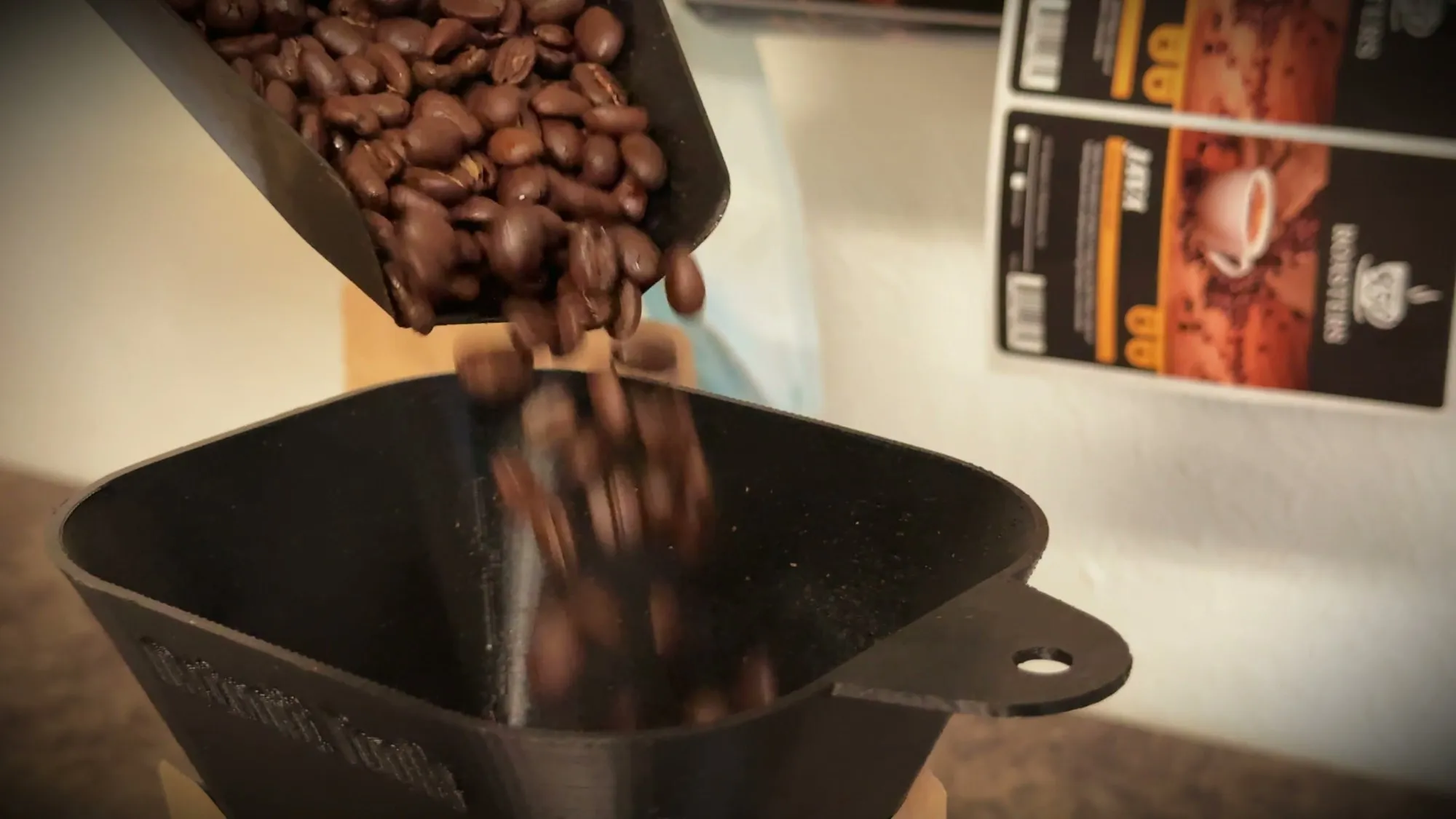
The coffee is sealed in kraft bags with a one-way valve and a resealable zipper. The valve lets fresh coffee release gas without letting air in. Each roast is dated.
We roast anywhere from a couple of times a week to nearly every day so stock stays fresh. Orders for coffee shops are roasted to order. Nothing is added to the beans.
Twelve coffees in two groups. All are sold through Wellspring Components, and each link takes you to that coffee's page there.
12 oz bags · 5 lb bulk · 12-count K-Cups
Chosen for low acidity. Many of our customers drink these because other coffee was too acidic for them.
Most popularJava, Indonesia
Baking spice and a light baker's chocolate finish. Smooth, with very low acidity.
Buy at Wellspring: Java (opens in a new tab)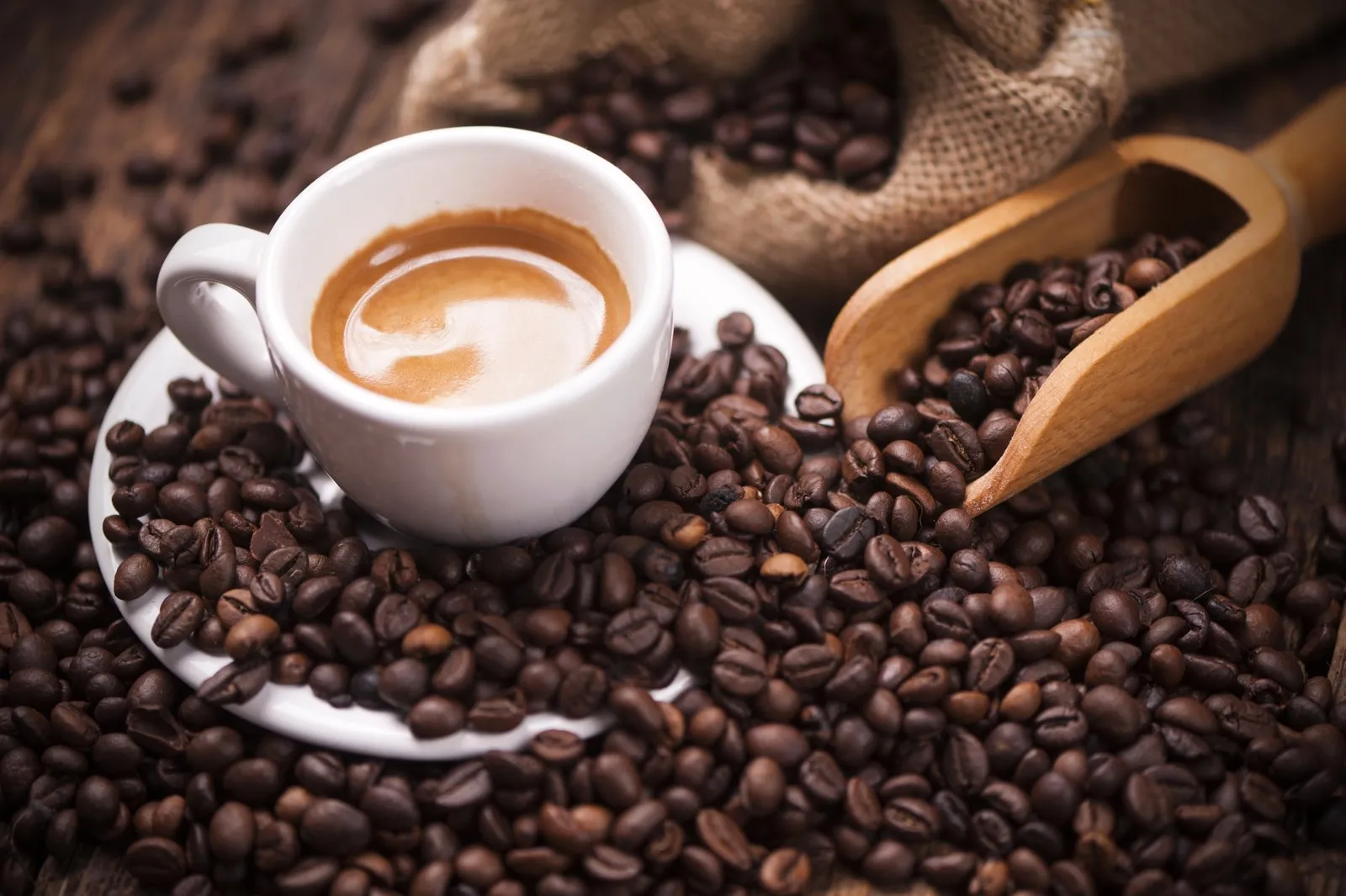 Most popular
Colombia
Chocolate and caramel, with a good body. Medium acidity.
Buy at Wellspring: Colombian (opens in a new tab)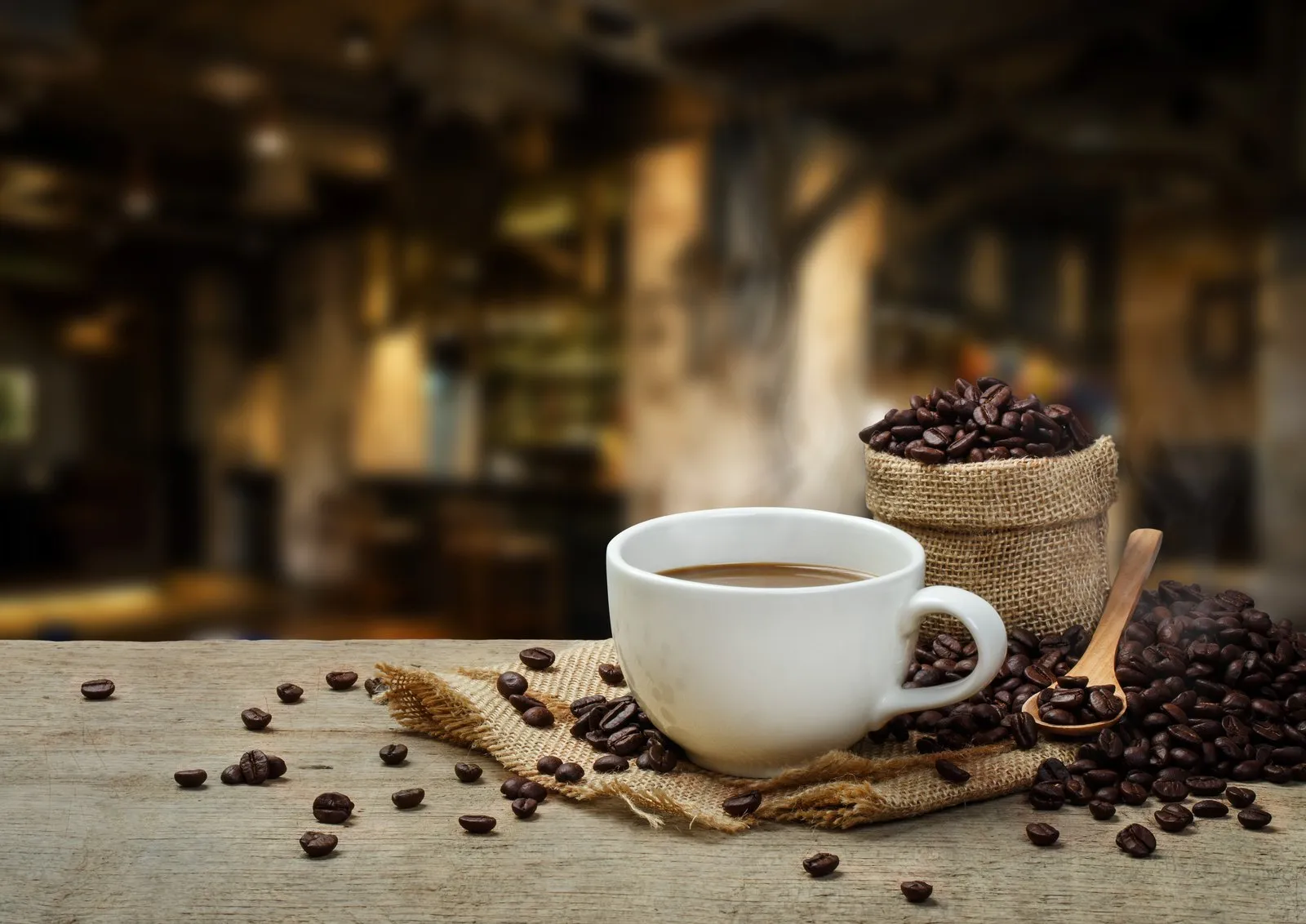
Oaxaca, Mexico
Grown at low altitude. Mild, with very low acidity, light citrus sweetness and chocolate.
Buy at Wellspring: Mexico (opens in a new tab)
Kintamani, Bali
Full body and very low acidity. Black licorice and cedar, with a smooth finish.
Buy at Wellspring: Bali (opens in a new tab)
Sulawesi, Indonesia
Heavy body and very low acidity; clean, sweet and earthy, with pepper and spice. A milder finish than Sumatra.
Buy at Wellspring: Sulawesi (opens in a new tab)
Blend
Two low-acid organic coffees and one chemical-free coffee, roasted for lower caffeine. Smooth, with light citrus and black licorice. Not available in K-Cups.
Buy at Wellspring: Pure Blend (opens in a new tab)1 lb bags · 5 lb bulk
More acidity and brightness, for people who like a livelier cup.
Ethiopia
Full body but gentle, with a nice brightness. Black tea and brown sugar.
Buy at Wellspring: Yirgacheffe (opens in a new tab)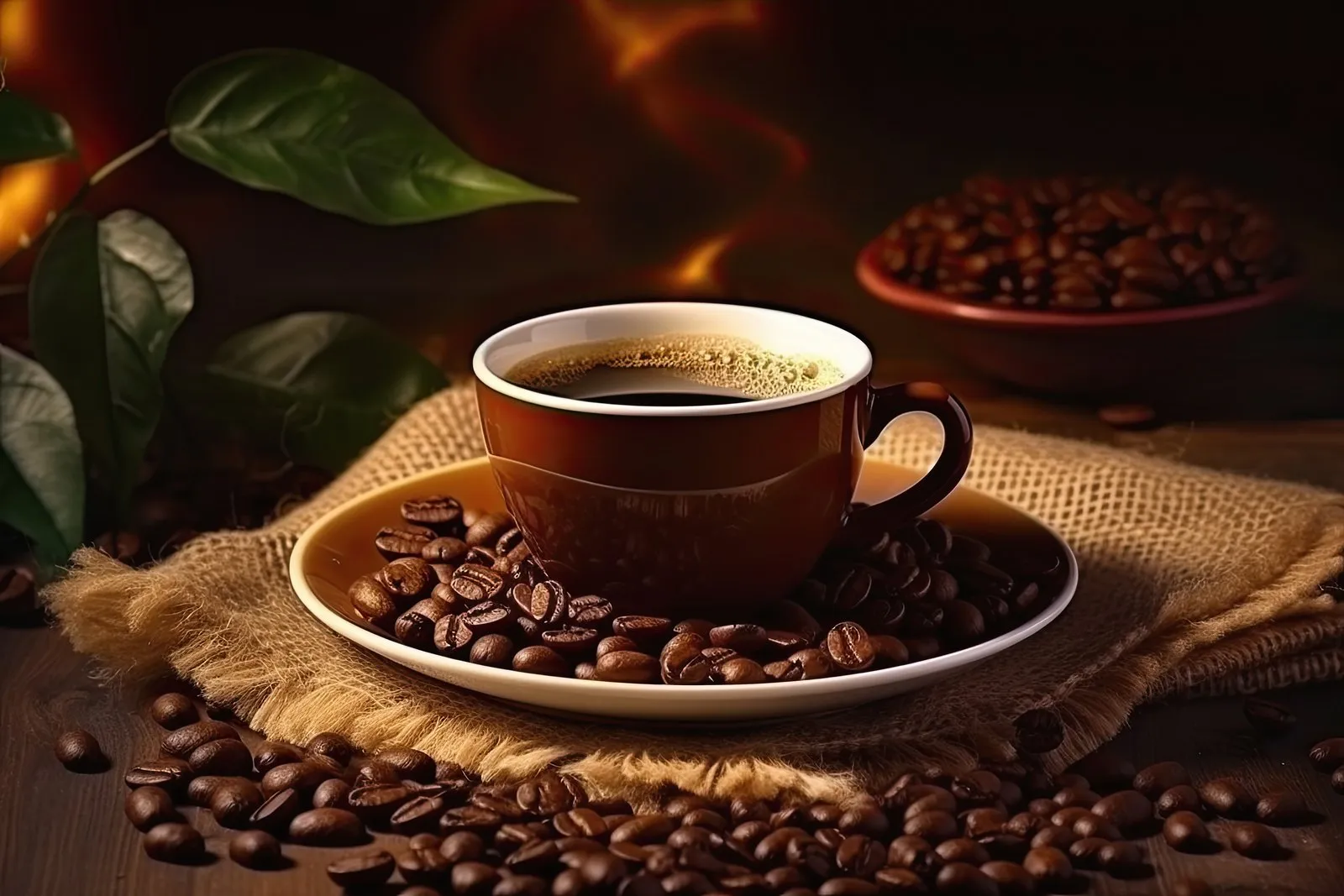
Kenya AA
Bold and bright. Sweet fruit with dark chocolate.
Buy at Wellspring: Kenya (opens in a new tab)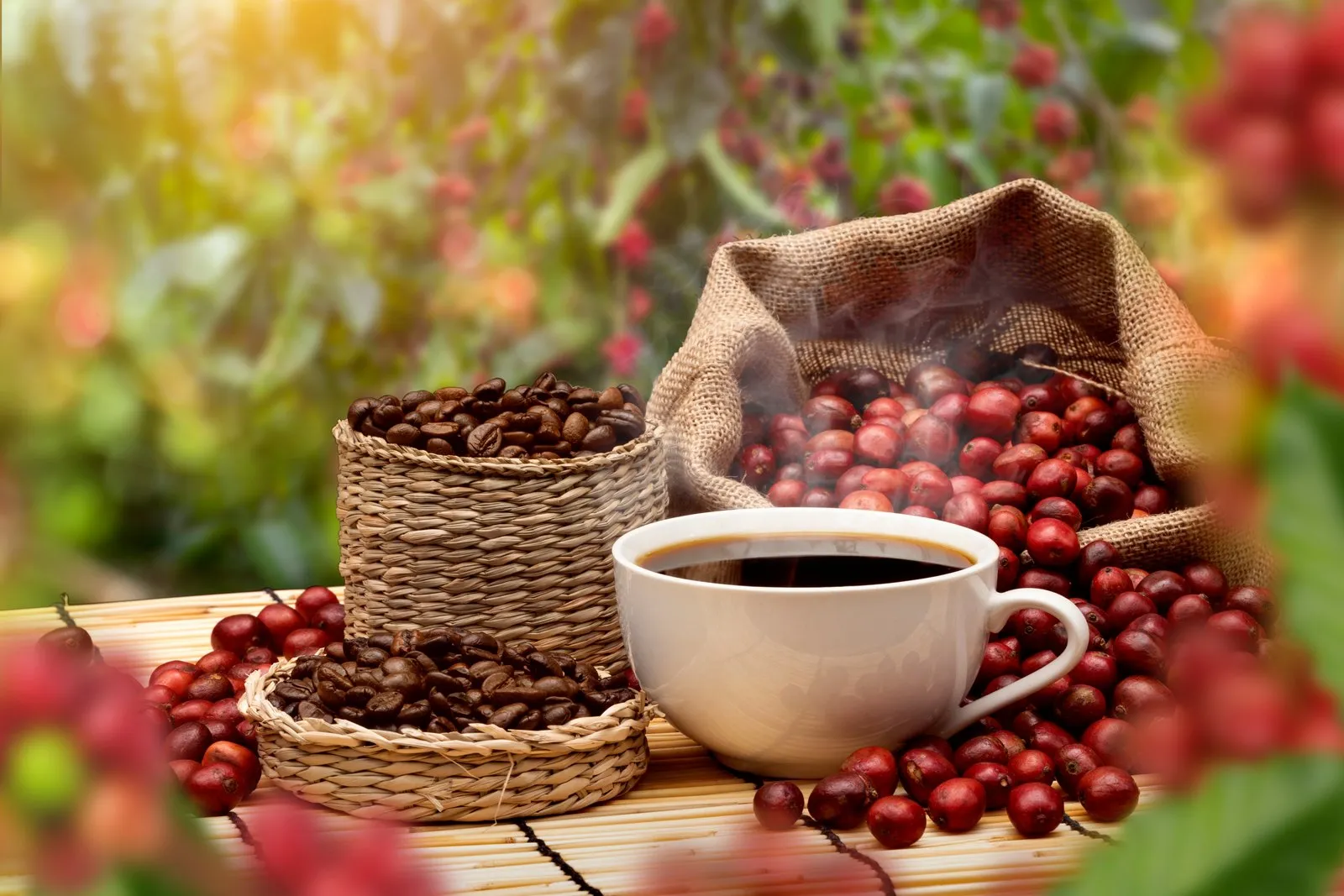
Café Diego farm, Nicaragua
Creamy body, clean citrus acidity, caramel sweetness.
Buy at Wellspring: Nicaragua (opens in a new tab)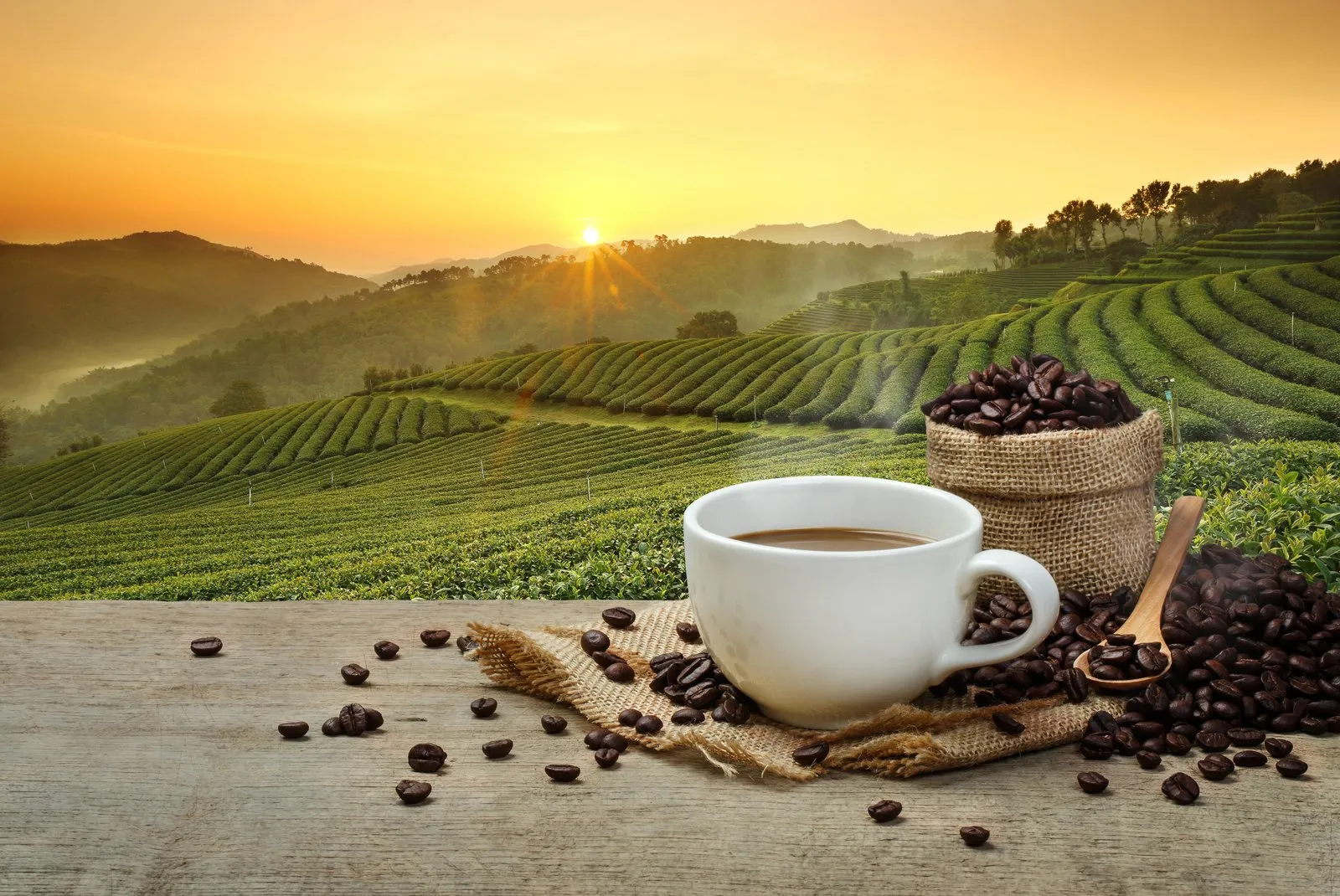
Daterra farm, Brazil
Chocolate-covered fruit, a little spice, caramel sweetness.
Buy at Wellspring: Brazil (opens in a new tab)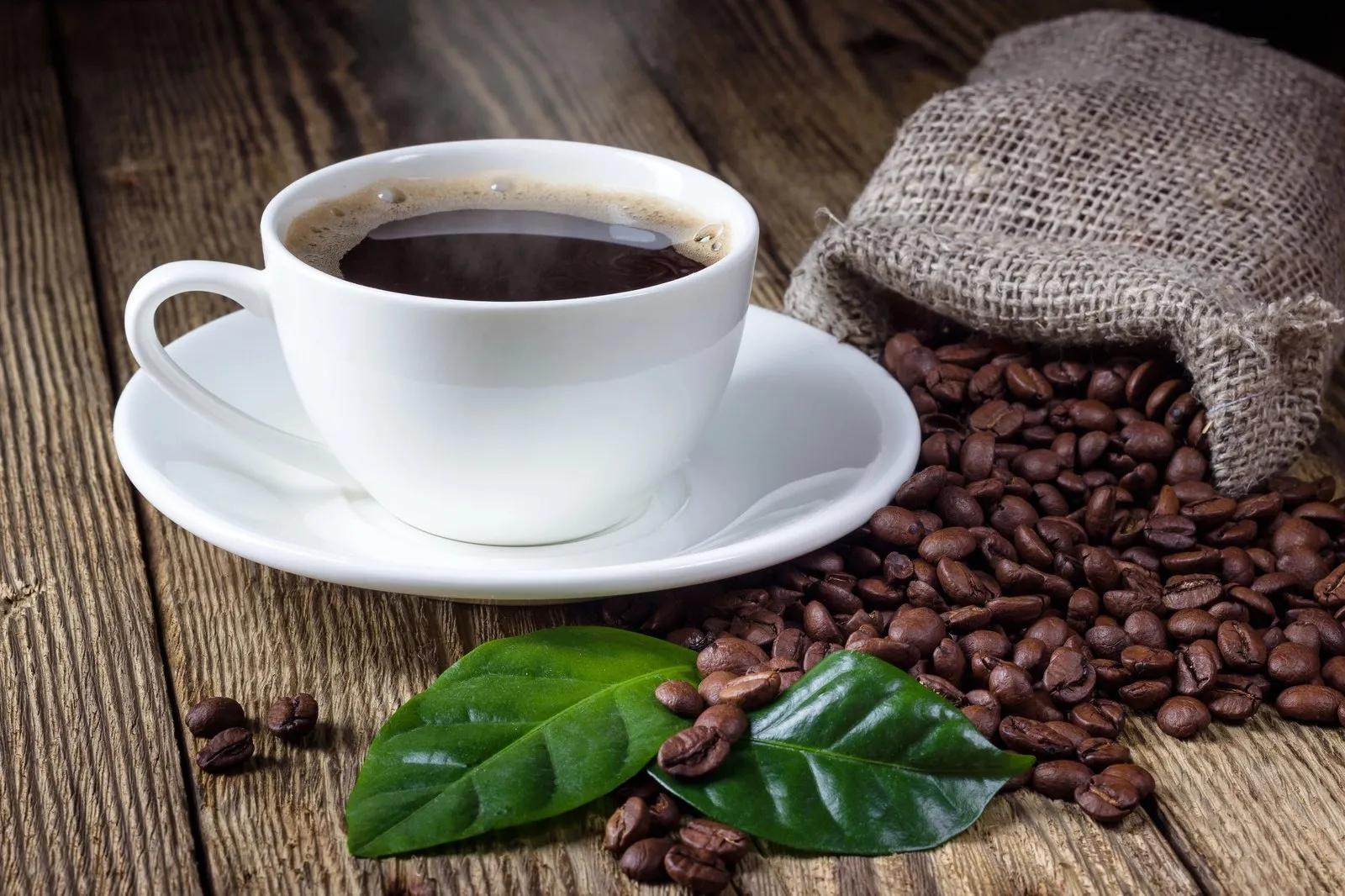
Sumatra, Indonesia
Full body and earthy, with chocolate.
Buy at Wellspring: Sumatra (opens in a new tab)
Swiss Water Process
Decaffeinated without chemicals: the beans are soaked in water and the caffeine is filtered out.
Buy at Wellspring: Decaf (opens in a new tab)We supply coffee shops and other businesses with any of our coffees, roasted to order. Many shops ask for a particular roast level, and we can roast to that.
Call Norman at (260) 768-7336 ext. 204, or send a note below and we'll get back to you.
Thanks, your inquiry was sent.
We'll be in touch soon.
All 850 Roasters coffee is sold through Wellspring Components.
Shop coffee at Wellspring (opens in a new tab)Stop by the counter at Wellspring Components.
1085 N 850 WYou may find 850 Roasters at stores in the area. If yours doesn't carry it, ask them.
Mostly the bean itself. Coffees grown at lower altitudes, and many Indonesian coffees, tend to be lower in acid. Roast level matters too: longer, darker roasts generally reduce acidity. We choose beans with that in mind, then set each roast to suit the bean.
Mycotoxins are compounds produced by certain molds. They’re found in small amounts in many crops, including grains, nuts, dried fruit and coffee. In coffee, the risk is controlled mainly on the farm and in storage, through proper drying and stable, dry storage, and lots that show mold are rejected at grading. Roasting kills mold but doesn’t reliably remove mycotoxins already present, which is why where the beans come from matters more than the roast. Levels in specialty coffee are typically very low.
For a fuller explanation, see Mycotoxins in Coffee: What You Actually Need to Know (opens in a new tab) by Evan Kluender.
Keep it in the sealed bag or an airtight container, away from heat and light. Coffee goes stale faster once it’s ground, so grind just before brewing if you can. If you have more than you’ll use soon, freezing helps: seal it airtight, freeze only what you won’t need right away, and avoid taking it in and out, which causes condensation.
Online orders are whole bean. If you’d like it ground, call or stop by Wellspring and we’ll grind any coffee at no extra charge.
Yes. Most of the low-acid coffees come in 12-count boxes, and every K-Cup is filled by hand.